In 1895, Wilhelm Röntgen studied the penetrating beams that he named X-Rays. Immediately, inventors everywhere had the same idea: a radiation vending machine!
In 1896, Henry Green of Connecticut applied for a patent on a coin-operated, "portable and efficient X-ray apparatus ... especially adapted to be used by the public without requiring the services of an attendant." Drop in a coin, the X-ray fires up, and for a few minutes, you can wiggle your bones in front of a phosphorescent screen.
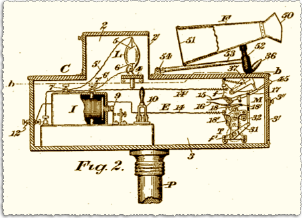
A year after Mr. Green, Maurice Vidal of Paris submitted his own application for a "Coin Freed Apparatus for Generating X-Rays."
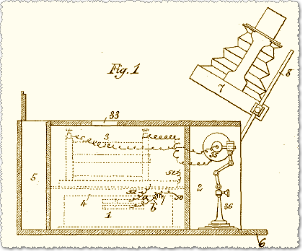
Later entrants to the field started to trickle in. In 1900, Fritz Neugebauer, a German inventor living in New York, applied for a patent on his "Coin Controlled X-Ray Apparatus." In 1901, Jacob Hunter of Chicago filed his own patent application for a "Coin Controlled X-Ray Machine," which customers can use to "view the representation or shadow of the bony structure of the hand." Then it all stopped. Inventors seem suddenly to have given up on the idea.
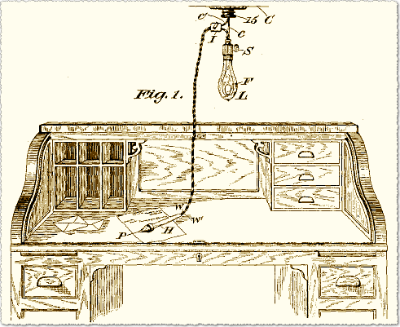
If radiation vending machines had blossomed into an industry, Henry Green would surely have been its father. One can only hope that he found prosperity with some less harmful invention. Probably not his Electric Searing Pen, a device useful only to those who fear forgeries more than they fear burns, fire, and electrocution.


Comments